How These Fundamental Ideas Transform Your Musical Experience
Music theory often gets a bad reputation as boring, superfluous, or too complicated. This isn’t just true for Classical music, but for jazz as well. In reality, jazz theory helps everyone (fans, musicians, and teachers) connect with the music on a deeper level. It helps you hear and enjoy things that you would otherwise miss. The following 3 concepts of jazz theory are not strenuous, they are approachable for anyone who likes jazz!
Solos happen on top of predetermined chords lasting predetermined lengths
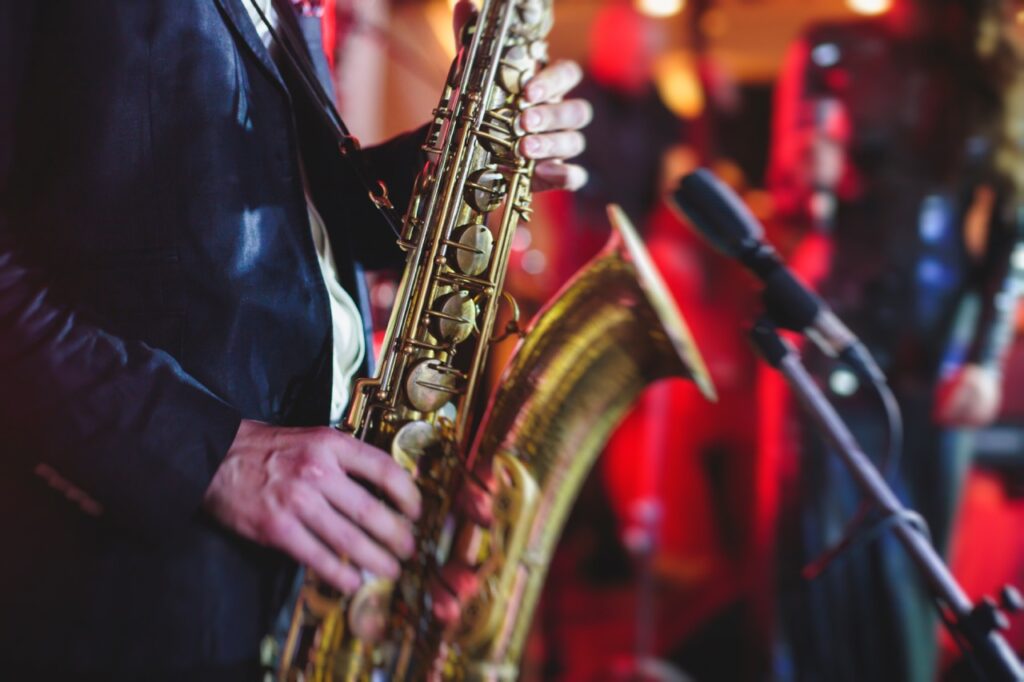
when I first listened to jazz in High School I was so confused that the saxophonist soloing at breakneck speed wasn’t lost in the music. I sure was! The recording was “Love for Sale” performed the Buddy Rich Big Band. It was recklessly fast.
Once I was taught this simple concept of jazz theory, everything locked into place. I enjoyed jazz more, I understood it more, I tracked along with every recording better, it was amazing.
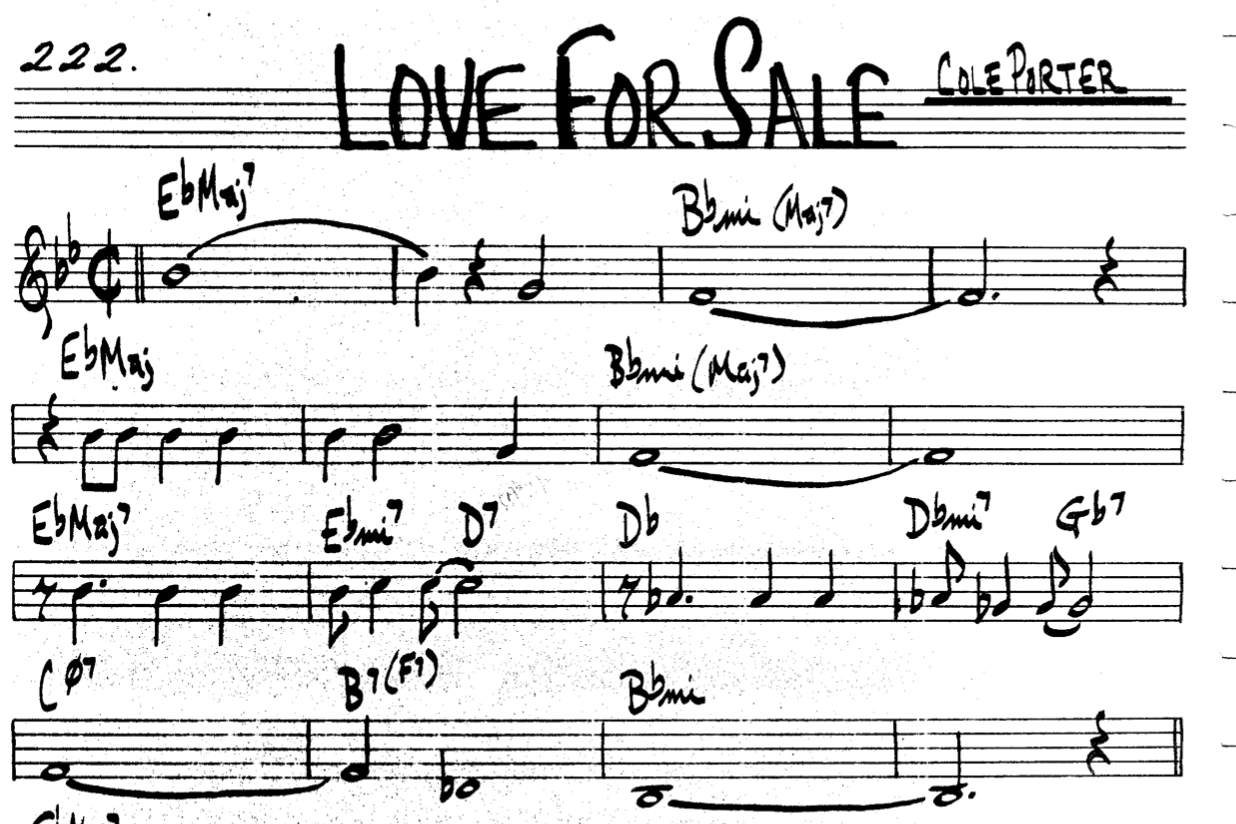
In jazz, like many forms of music, the main melody of the theme (let’s continue with “Love for Sale) has accompanying chords. In this song, Cole Porter composed quite a lengthy form, the song is 64 measures long.
The secret jazz theory concept is that even during solos, the accompanying chords don’t change! Those 64 measures are on loop, being played again and again in the same order for the same amount of time. That means the soloist can memorize that order and never get lost!
I like the analogy of Karaoke. A jazz soloist is like you singing Karaoke but making up new words on the spot. The song playing behind you hasn’t changed at all, you’re just doing something new on top!
When you realize 99% of jazz recordings follow this formula, it makes it so much more enjoyable to come alongside the soloist as they explore new melodies on top of the song’s chords.
Improvisation can be practiced, it’s not just aimless playing
We’ve demystified a jazz solo somewhat so far. We know how the players don’t get lost, how they know how long to play for, and how the band is able to stay together too: it’s all in the chord structure.
The next thing to know in jazz theory is that the notes the soloist plays are not aimless; musicians are not wandering around just playing whatever comes to mind and it all happens to sound good due to innate talent.
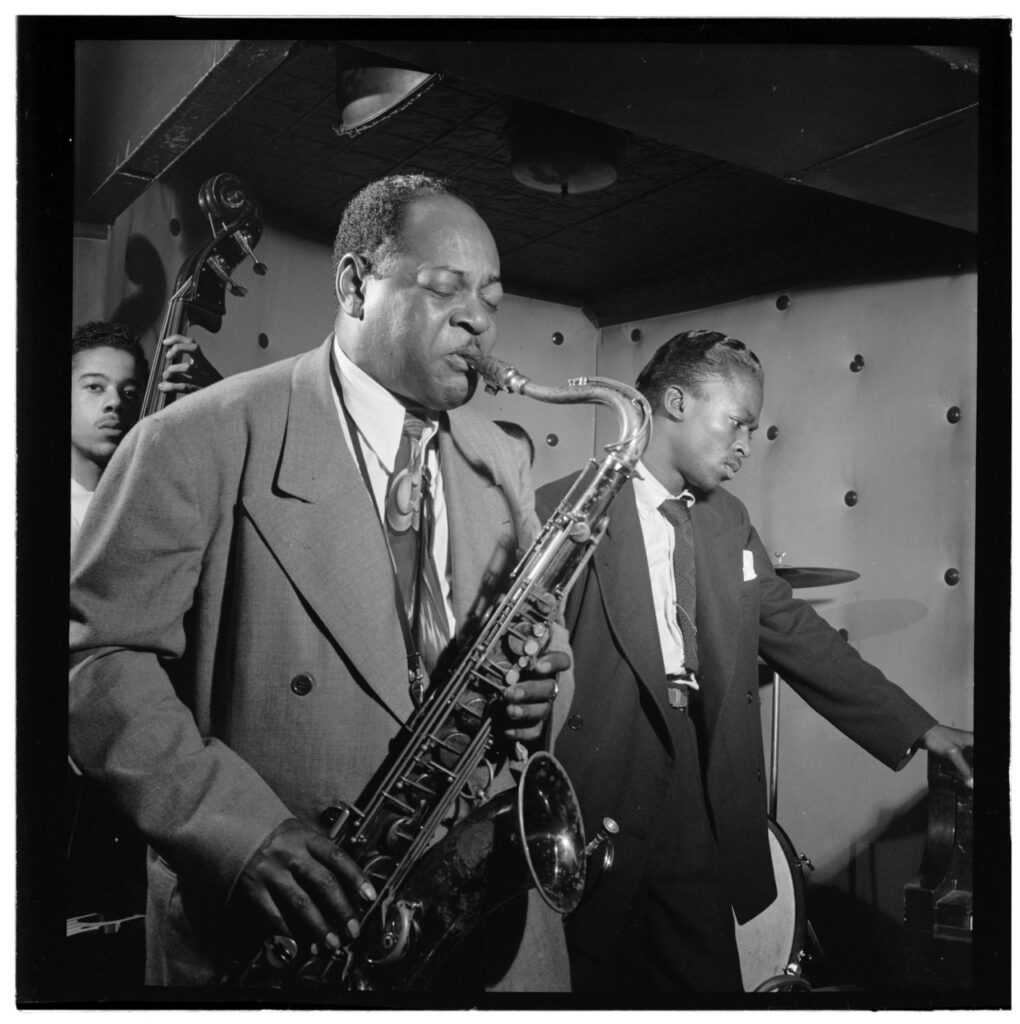
Since the birth of jazz, the elements of improvisation have often led listeners to assume there was little preparation, dedicated practice, or intentional development from the artist. We wouldn’t presume a public speaker isn’t well-read, prepared, or versed in rhetoric just because they don’t take note cards with them on stage; so we shouldn’t suppose that of jazz.
So what does it look like to practice improvisation? Isn’t that contradictory?
A jazz soloist wants to be fluent in the language. For pitched instruments (not drums), this means being able to comfortably invent melodies on top of any chord type, any chord progression, any harmonic landscape they find themselves in, in any key!
In order to get this mastery, jazz musicians practice. They learn common jazz songs (jazz standards) in multiple keys, they do technique exercises, they learn masters’ solos from famous recordings, and they improvise their own solos again and again applying what they’ve learned.
All of this preparation allows a musician to be deeply conversant in the jazz idiom while truly improvising in the moment.
Jazz chords are rooted in Classical music, and added notes give extra emotion
When you think of jazz chords you may think of the biting dissonance of Thelonious Monk, perhaps the lush sophistication of Bill Evans, or the cool strum of Wes Montgomery. Either way, jazz harmony sounds unique. Is it?
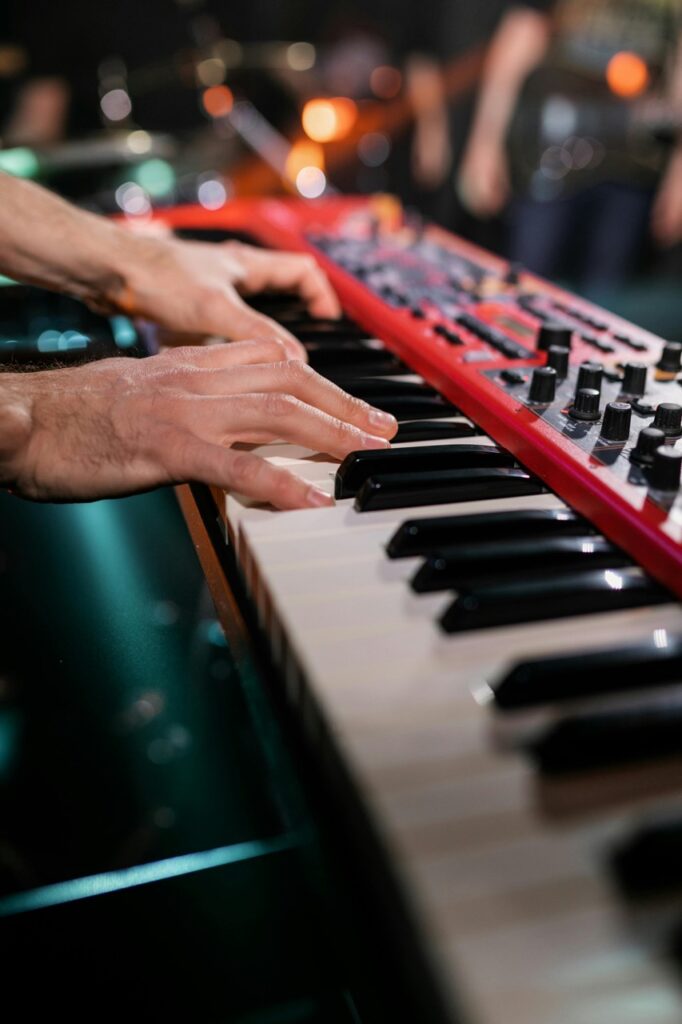
The building blocks of jazz harmony is actually based in Classical harmony! You may be surprised to know that some chord progressions found in 20th century jazz classics can be heard almost note-for-note in the music of Bach, 200 years prior!
Jazz chords use the same fundamental chords as Classical music. In both genres you will find major and minor chords. Even more, you will find them moving and resolving in much the same way. This has much to do with the fact that jazz was largely influenced by “popular song” form of the late 19th-mid 20th century music as well as ragtime – both of which use the main chord types and chord movements mentioned above.
So what makes the jazz chords different? Why doesn’t a Duke Ellington chord sound the same as a Beethoven chord? This has to do with extra notes jazz musicians stack on top of the Classical chords. In jazz theory we call these “extensions.” These extensions add color, emotion, dissonance or beauty to the chords. We see that jazz harmony isn’t something altogether new, rather it’s a continuance of sound hundreds of years in the making.
Conclusion: keep learning to enjoy jazz even more!
You can see that just a little bit of jazz knowledge can transform how you listen to and enjoy the music! If you want to keep diving into jazz theory in this clear, approachable style that improves your enjoyment of jazz, I recommend our Jazz Unlocked courses! Featuring 5 video modules (you get lifetime access), playlists, and listening guides, you will understand jazz melody, harmony, and rhythm in a meaningful way! On sale below: