
When you listen to jazz, what is being played goes well beyond what could be notated in sheet music. And I’m not just referring to improvisation! Jazz phrasing, jazz articulation, and jazz rhythm all have particular details that make the music sound authentic. These are often learned by being aware of these markers, listening, and practicing. (It’s no surprise that jazz is often referred to as an aural language!)
Professional jazz pianist, composer, and educator Quentin Walston breaks down these crucial concepts, offering practical insights for both music educators and jazz enthusiasts looking to deepen their understanding of this uniquely American art form.
Understanding Swing Rhythm: The Foundation of Jazz
The Long-Short Pattern That Drives Jazz Forward
At the heart of jazz lies the swing rhythm. A fundamental long-short, long-short pattern, it permeates every aspect of the music. This rhythmic foundation appears in melodies, accompaniment patterns, and drum beats, creating the forward momentum that makes jazz so compelling.
Common Misconceptions About Swing Notation
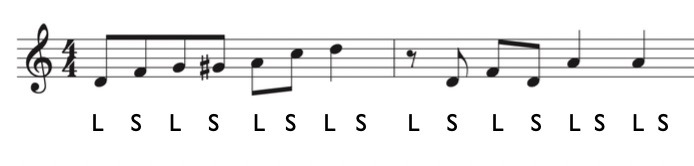
Many students struggle with swing rhythm because they misunderstand which notes should be long versus short. The key principle is that notes on the beat are long, while offbeat notes are short (not simply that the first eighth note is long and the second is short).
Consider the example below: the first measure begins with an eighth note on the beat. That note is long (designated with an ‘L’). If a rhythm starts with an offbeat note, that first note would be short (designated with an ‘S’). This understanding becomes crucial when teaching more complex jazz rhythms.
Jazz Articulation: The Art of Attack and Release
Quarter Notes: The Foundation of Jazz Phrasing
In jazz, quarter notes are almost always played detached or separated. They are not a harsh staccato, but with what educators describe as a fat “daht” sound. This creates a slightly separated, punchy and full quality that provides rhythmic clarity without sounding choppy. This is particularly helpful for educators whose students participate in big band ensembles of any level.
Eighth Notes: The Legato Standard
Eighth notes in jazz are typically played legato (smooth and connected) unless specifically marked otherwise. This default legato phrasing is evident in the improvisational lines of jazz masters of any melodic instrument from saxophone to piano to guitar or flute!
Accent Patterns: Creating the Jazz Groove
The Power of Offbeat Accents
One of the most distinctive features of jazz phrasing is the emphasis on offbeat accents. Accenting the offbeats creates the characteristic “push and pull” that does so much to create a compelling swing sound. Even a perfect long-short pattern can be destroyed by poor accents. (When accents fall consistently on the beat, the music tends to sound more like a march than jazz.)
Melodic Peaks Take Priority
While offbeat accents are standard, melodic peaks should be accented regardless of their rhythmic placement. Melodic peaks pop out to our ears, and emphasizing them creates the bold jazz sound we are after.
Practical Applications for Musicians & Educators
Apply these articulation principles to both written music and improvisation. Whether reading a standard or creating spontaneous melodies, consistent application of these concepts will improve your jazz expression.
Teaching Swing to Students
Use the full sheet of common jazz rhythms found in How to Teach Jazz & Improvisation, or the free guide below. This solidifies the long-short foundation needed before adding layers of sophistication.
Developing Articulation Skills
One of the best ways to develop your (or your students’) jazz articulation is to learning bebop compositions. The rhythmic variety and darting melodic shapes ensure all areas of phrasing are practiced. Ensure that you and/or your students model your/their sound off of the recording. Learning by sheet music is NOT enough, copy the masters!
Study the Masters
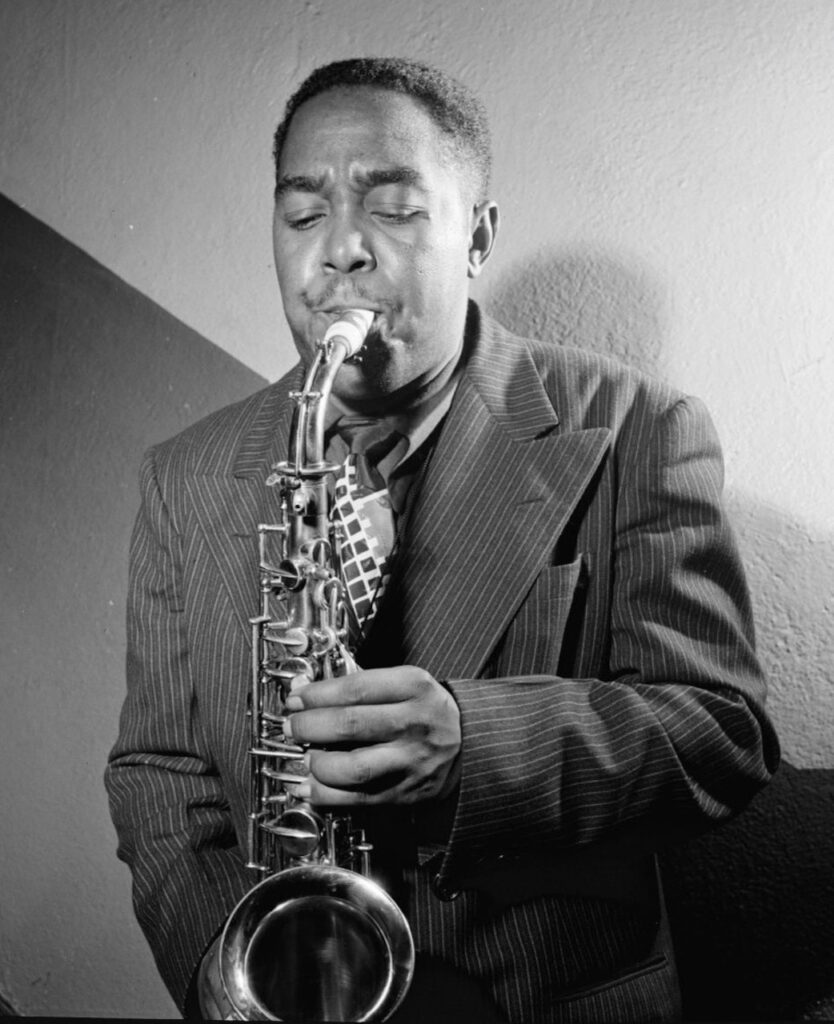
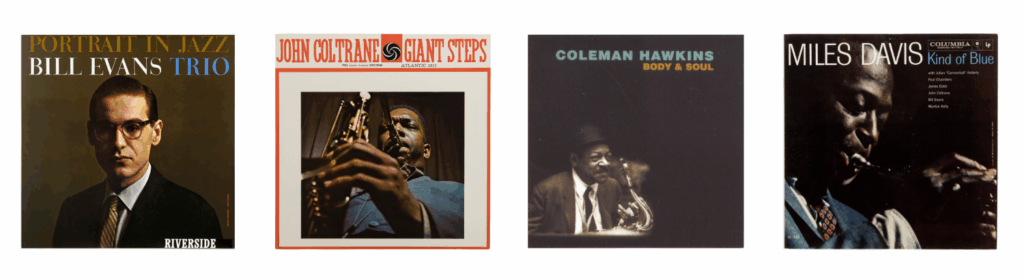
Listen to recordings by Charlie Parker, Miles Davis, John Coltrane, and other jazz legends. Pay attention to how they phrase eighth notes, accent offbeats, and handle quarter note articulation. This ear training is essential for developing an authentic jazz feel. Listen to This Is Jazz’s playlists here with the best recommended jazz master recordings.
Take Your Jazz Teaching to the Next Level
Ready to transform your jazz instruction and help your students master these essential concepts? How to Teach Jazz & Improvisation provides comprehensive guidance for educators of all levels & instruments, with detailed explanations of swing rhythm, articulation techniques, and practical lesson & classroom strategies.
This complete resource includes:
- Everything You Need to Start: Learn how to introduce improvisation to any student, break down swing feel, phrasing, and rhythm in a way that’s accessible
- 7 Specially Composed Jazz Duets: Get students of all instruments playing immediately with our duet approach perfect for lessons & classrooms
- Improvisation Made Simple: Note guides & creative prompts help students start improvising right away with no fear of wrong notes
- Jazz Theory: Understand jazz harmony, technique, rhythms, practice techniques and more
- Essential Listening: Listening guides of jazz legends, key recordings, and important artists of today
Not sure if it’s right for you? Dig into these concepts with our free Jazz Rhythm & Phrasing Guide. Enter your email below to receive this valuable resource that covers the essential articulation and swing principles discussed in this article.