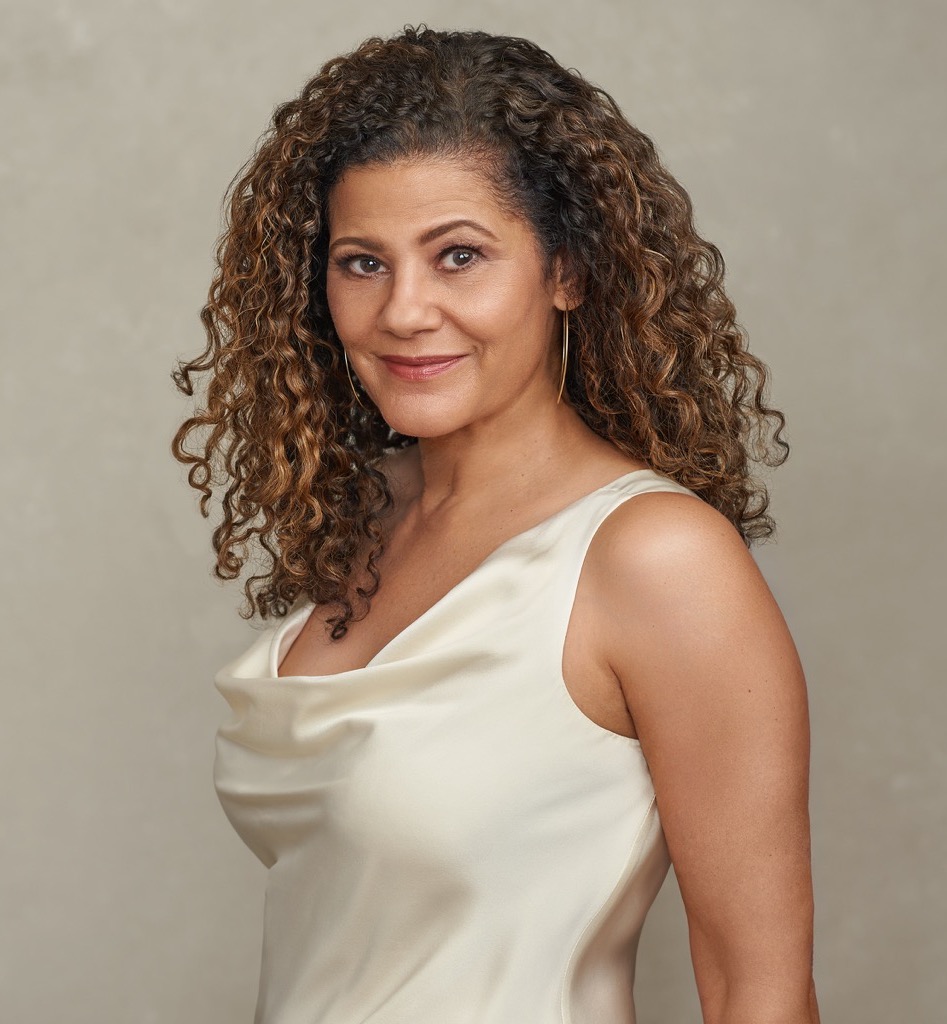
In a recent This Is Jazz interview, jazz vocalist and Kennesaw State artist-in-residence Karla Harris shared her remarkable journey through multiple musical genres and offered invaluable insights for music educators and aspiring artists alike.
A Musical Foundation Built on Variety
Harris’s musical foundation began in childhood with what she described as “a wonderful and eclectic stack of albums” in her St. Louis home. This collection included everything from jazz legends like Nancy Wilson and Billie Holiday to pop icons like Barbra Streisand, soul artists like Aretha Franklin, and even classic country. Harris absorbed influences from across the musical range by listening as well as participating in classical choirs, garage rock bands, and jazz ensembles.
A pivotal moment came when Harris joined a jazz outreach program led by Jeanne Trevor, known as “the first lady of jazz of St. Louis.” This mentorship introduced her to the standards repertoire, though interestingly, Harris was initially hired for more contemporary jazz pieces that Trevor preferred not to sing. This dive into performance and real-world experience would be invaluable to her artistic and career development.
Cross-genre Inspiration
Harris does not compartmentalize her musical influences or musical styles. As she explained, “You learn from one and you apply it to the other… If you are smart, if you are wise, you don’t silo them.” This philosophy is clear throughout her recorded works, which seamlessly blend straight-ahead jazz with Latin rhythms and contemporary elements. Her recent album “Merge” embodies this concept, featuring everything from Great American Songbook standards to R&B classics reimagined through a jazz lens.
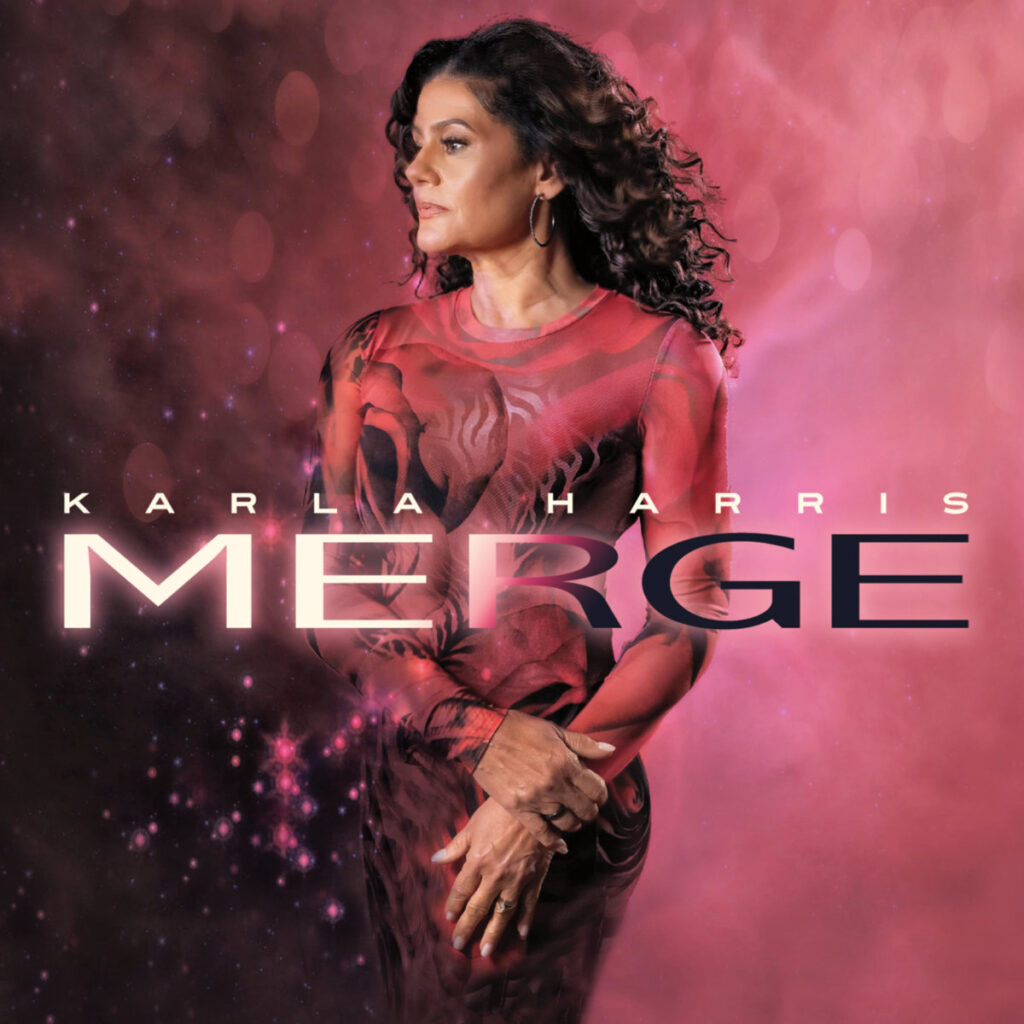
Working closely with pianist and arranger Tyrone Jackson, she spent months exploring wonderful reinterpretations of familiar songs. Their version of the Isley Brothers’ “For the Love of You” transforms the R&B classic into a Latin-influenced piece in seven-eight time, while “What Is This Thing Called Love” showcases Harris’s impressive vocal range and interpretive skills. The album was recorded over just two intensive days at Auburn University’s state-of-the-art recording studio, with Harris working alongside two different rhythm sections to capture the varied musical textures she envisioned. (“Merge” is available on all major streaming platforms.)
This approach of using your wide influences to create music unique to you is encouraging to musicians or educators who are either classically trained or come from different musical styles. Those whose strengths are in other genres may feel their background doesn’t prepare them for jazz. Harris’s journey proves that diverse musical experiences can actually strengthen jazz interpretation.
Teaching Jazz Vocals: Respect the Source, Find Your Voice
As a jazz educator myself, I was particularly excited to hear about Karla’s approach to jazz vocal instruction. The vast majority of my students are instrumentalists, so it was exciting to hear about the nuances of vocal education.
One of my questions was about sticking to the original melody (like Frank Sinatra always did) versus reinterpreting it (like Billie Holiday). Harris emphasizes the importance of learning melodies as originally written by composers before exploring interpretive possibilities. “It’s the right thing to do out of respect for the composer’s work,” she notes, adding that instrumentalists appreciate vocalists who know the actual melody. Reinterpreting the melody should be an artistic choice, not something done due to ill-preparation.
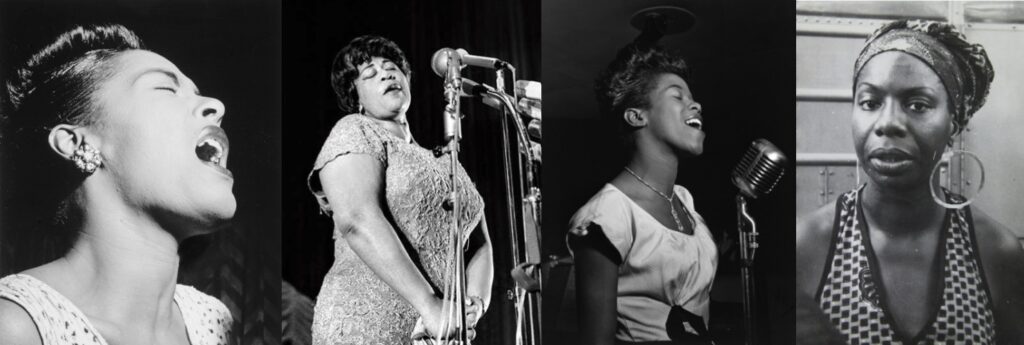
She also stressed the importance of exposing students to a wide variety of jazz singers beyond the commonly cited “big four” of Ella Fitzgerald, Sarah Vaughan, Nina Simone, and Billie Holiday. With a list of approximately 90 different vocalists she wants students to hear, Harris helps students discover their authentic voice rather than feeling pressured to imitate established masters.
The Power of Storytelling in Jazz Education
The conversation also revealed Harris’s deep appreciation for lyrics and storytelling in music. Passionate about transcribing lyrics by hand as a child, she was drawn to the narrative aspects of songs. “It’s the phrasing that makes you a jazz vocalist,” she explained, noting that legends’ powerful performances come from their lyrical interpretations.
Karla Harris conveyed that scat singing is also a part of the jazz vocalist’s musical language, and that she indeed teaches it and uses it in her own records, but that it is not the heart of vocal performance.
Join jazz lovers, players, and educators worldwide!
The This Is Jazz newsletter includes:
- Artist interviews
- Breakdowns of jazz recordings and concepts
- Tips for educators
- more!
Building a Professional Music Career
Karla Harris’s insights into the professional music world are equally valuable for aspiring and developing musicians. She emphasized the critical importance of networking, that building relationships within the industry is essential for career growth. Her extensive festival schedule didn’t happen overnight but resulted from years of networking with musicians and festival organizers, combined with a strong track record of recordings and live performances.
Perhaps most importantly, Harris advocates for versatility in musical careers. The artists she sees reaching “the next plateau” aren’t just focusing on one style of music or one type of gig. Instead, they’re expanding their scope through multiple music-related channels such as teaching, writing scores, working in film, participating at festivals, and other revenue streams. “You can’t do just one thing,” she observed, reflecting the reality of today’s music industry.
Encouragement for All Musicians and Music Lovers
Whether you’re a classical musician curious about jazz, an educator looking to expand your teaching repertoire, or simply a music lover interested in artistic development, Harris’s journey demonstrates that musical authenticity comes not from limiting yourself to one tradition, but from thoughtfully integrating all your influences into something uniquely your own.
Unlock a deeper appreciation of jazz