The song is moving along fast, your solo is coming! You feel nervous about improvising. Will it be good? Will it sound like the masters you love to listen to? You wonder if you can just play the solo you came up with in practice… Should I plan out my jazz solo?
Many beginner improvisers feel insecure about making up a solo in real time, especially in a performance setting. Many musicians (and teachers) opt to play a prepared or planned-out “solo”.
A planned-out solo is when you prepare ahead of your performance the notes you will play (in your head or written out) for what should be an improvised portion of music. It can be in the context of any level ensemble, a student big band, or playing alone.
While playing a prepared solo may overcome a short-term problem of anxiety and/or feeling unprepared, this is not a long-term solution.
Why you shouldn’t plan a jazz solo

When you plan out a solo, you stunt growth in important areas of your musicianship.
- Planning out a solo does not make you a better improviser. If you want to grow in your ability to improvise, this does not assist in that skill. (It is good practice in composition though!)
- Planning a solo inhibits this spontaneous interaction within the ensemble. When a band is locked-in they are listening and playing off what each member is doing. In an improvised solo, the band has a unique opportunity to react and go new places musically.
- Planning out a solo creates the possibility for big mistakes. What happens if you mess up your planned solo? If you lose your place or mess up a run, it can be very difficult to get back on track. Even more, you will struggle to truly improvise to accommodate the mistake since there was little preparation in actual soloing. This sounds harsh, but I write from experience!
What should you do instead?
Learning to improvise is always better than writing out a solo. You will look back a see your earliest solos a shaky or needing improvement, but isn’t that true of everything in music? Musicians aren’t born with the ability to play perfect concertos, etudes, or even scales, so why would we think improvisation has to be mastered from the beginning? Improvisation is a skill worth cultivating, and the only way to grow is by working on it.
Be patient with yourself, work on improvisation at your level and slightly above, and you will get better.
How do I get better at improvisation?
Like anything in music, we practice to improve. But how do you practice making up music?
Use your ear
Improvisation is creating music in real time. The ultimate goal is to play on our instrument any idea that comes to mind. (This idea of “hearing” a melody in your mind is called audiation.)
We want our melodies to sound how we intend. Avoid running through notes so fast, or obscure, complicated scales that you can’t actually internalize the melodies your are playing.
Soloing should come from our heart and feel good in the groove of the song. Some even challenge themselves in practice sessions to sing melodies before they play them on their instrument, to truly see if they can create concise melodic ideas and match their pitches.
Theory is your friend
Music theory can be a great tool to give ideas for improvisation and open you up to new ideas.
Many jazz musicians learn modes or scales that work as melodic source material for various chords or chord progressions. While this concept is more for intermediate and advanced players, even beginner improvisers benefit from learning to play in different keys.
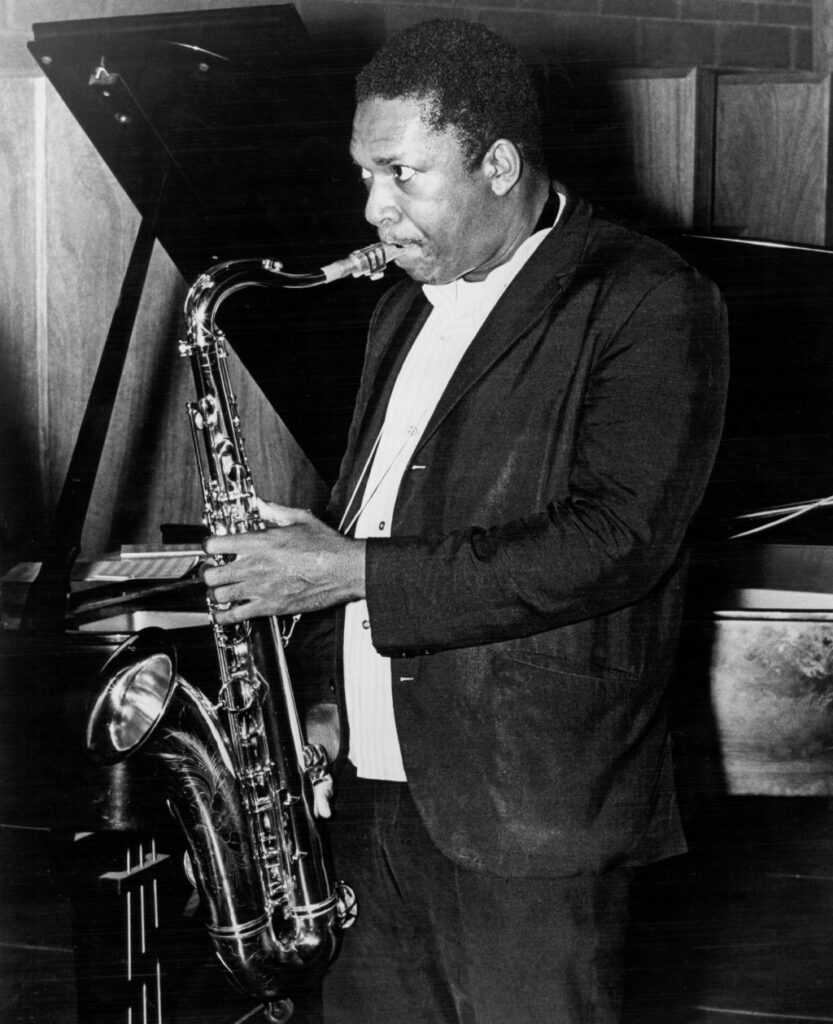
Many jazz greats (John Coltrane and Michael Brecker for example) were masters of theory and used it to explore new avenues of their improvised expression. They would (and you can too) practice scales, melodic patterns, specific rhythms, and solos from other jazz greats.
One caveat, however… Do not let music theory replace playing with your ear. There is a noticeable difference between players who are just cycling through convoluted scales and patterns and those who have internalized musical concepts and create with them imaginatively.
Solo over songs that fit you
Jazz musicians solo best when they are confident to play with the accompanying chord progression. Resources like The Real Book offer lead sheets of hundreds of jazz standards; however most of these are more upper intermediate and advanced players…
But what about beginners?
Many beginner soloists struggle to find material that works for their level of improvisation. It can be pretty discouraging to want to learn to solo, but so many jazz pieces involve long chord progressions with strange chord symbols and constantly changing keys.
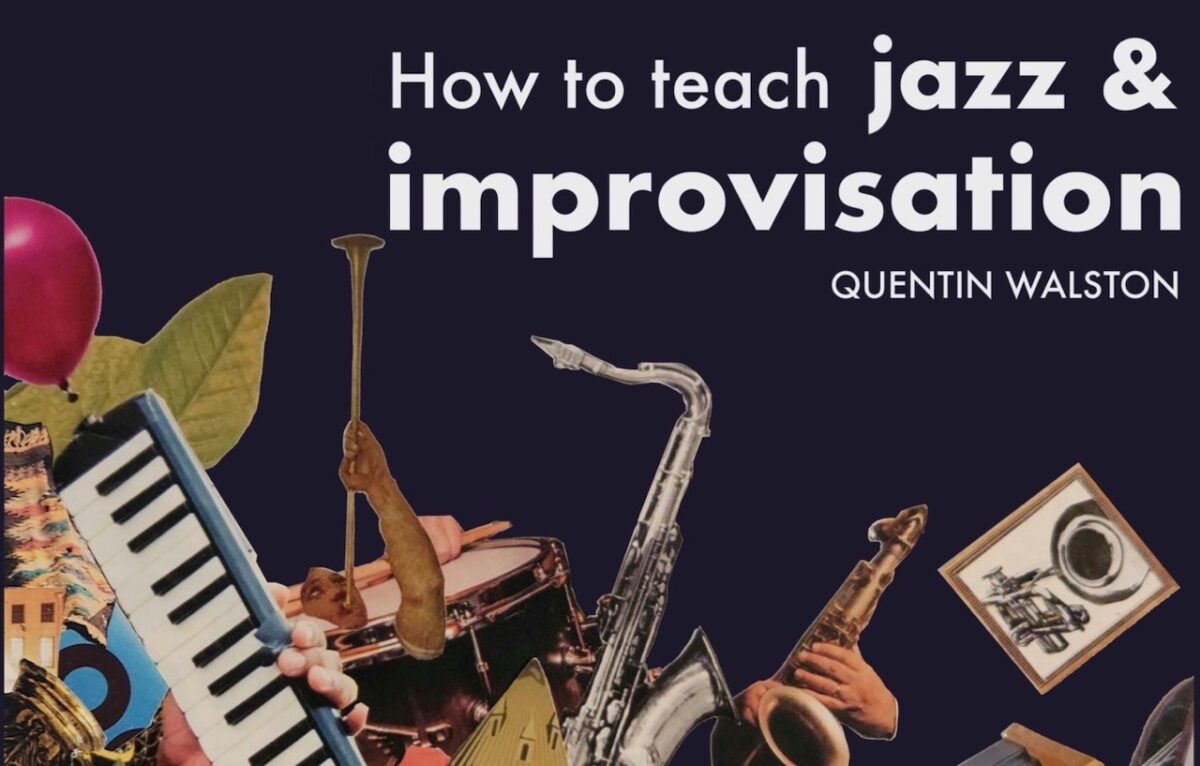
I wrote How To Teach Jazz & Improvisation to give teachers and students of all tonal instruments seven pieces to learn improv. These pieces are based simple chord progressions where you can learn to play by ear, and supplement with theory to help you advance.
The pieces are based on different styles within the jazz idiom: bebop, blues, modal, etc. and each uniquely allows you to play with confidence.
The book contains multiple resources to grow in jazz including pages on: jazz chords, melodic patterns, listening recommendations, tips for improvisation, and more!
The spiral-bound edition (for easy reading on music stands) is available in the US, the e-book version is available globally.